

Learning to drive a four wheeler becomes easier when the training programme matches your actual needs. Some learners start from zero, while others already understand basic controls but lack confidence in traffic or parking. Four Wheeler Driving Training should therefore be evaluated according to practical learning quality rather than course name alone.
For learners in Noida, the following checklist can help when selecting professional instruction.
Check Your Current Ability First
Before comparing training centres, identify your starting point.
Ask yourself:
- Have I ever driven a car?
- Can I start and stop smoothly?
- Am I comfortable with steering?
- Do I understand gears?
- Can I judge the vehicle's width?
- Am I nervous in traffic?
- Do I struggle with parking?
- Am I returning after a long break?
Clear answers make it easier to explain your needs to an instructor.
Check What the Programme Covers
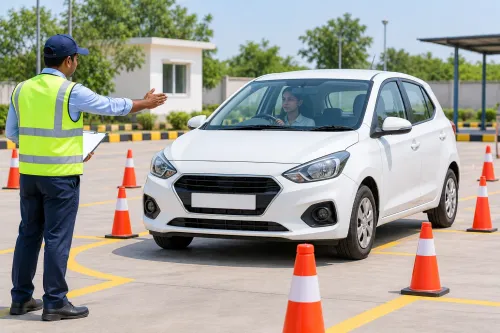
A useful four wheeler programme should provide practical instruction appropriate to the learner's level.
Depending on the course, relevant skills may include steering, acceleration, braking, gear use, mirror observation, turns, road positioning, parking, reversing, and traffic awareness.
Ask what is actually included rather than making assumptions.
Check the Training Progression
Complete beginners generally benefit from gradual progression.
Trying difficult traffic situations before basic controls become comfortable can create unnecessary stress. Training should build foundational coordination first and increase complexity as the learner improves.
Check Instructor Support
Good instruction requires more than giving commands.
An instructor should help the learner understand what is happening around the vehicle and why particular decisions are necessary.
Feedback should identify specific areas for improvement.
For example, saying that a turn was incorrect is less useful than explaining whether the learner entered too quickly, steered too early, or failed to observe surrounding traffic.
Check Practical Relevance
Consider where you are likely to drive after completing training.
Someone expecting to drive regularly in Noida needs confidence in urban traffic, junctions, sector roads, pedestrian activity, two-wheelers, and changing congestion.
Training should ultimately prepare the learner to make decisions in realistic road situations.
Check Course Details Before Payment
Ask for clarity regarding:
- Programme duration
- Lesson schedule
- Training vehicle
- Practical session structure
- Eligibility requirements
- Applicable documentation
- Fees
- Any additional terms
Clear information makes comparison easier.
Check Whether Your Goals Are Understood
A learner seeking basic personal driving skills may have different priorities from someone planning frequent professional driving.
At Om Sai Motor Driving Training School, learners in Noida can discuss their experience and intended driving requirements before selecting training.
Professional four wheeler instruction should provide a foundation for continued improvement after lessons are completed. Use the selection process to evaluate teaching quality, practical scope, training progression, and relevance to your everyday driving needs rather than choosing solely on price.