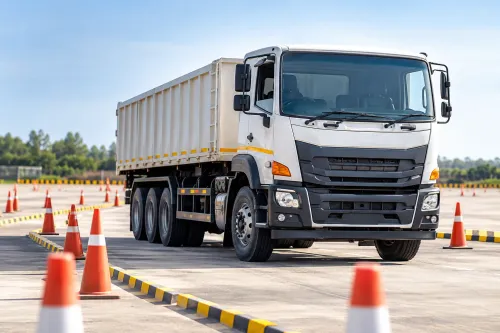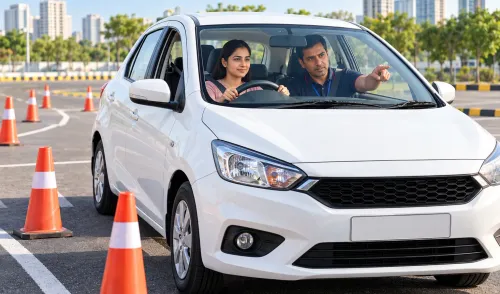


A heavy vehicle driver needs more than the ability to operate a large vehicle. Commercial driving requires planning, observation, patience, vehicle awareness, and consistent decision-making. HMV Driving Training should help learners recognise mistakes that may be less significant in a small vehicle but potentially serious when operating a heavy vehicle.
Drivers preparing for professional work around Noida can benefit from identifying these weaknesses during training rather than after entering regular commercial operations.
Treating an HMV Like a Car
One of the biggest mistakes is carrying small-vehicle habits directly into heavy vehicle driving.
Heavy vehicles occupy more road space and require different judgement for turning, stopping, positioning, and manoeuvring.
Drivers need to adapt their thinking to the dimensions and operating characteristics of the vehicle.
Following Traffic Too Closely
Maintaining insufficient space reduces reaction time.
Heavy vehicle drivers should observe traffic well ahead and preserve suitable distance based on conditions. The objective is to reduce situations requiring harsh braking or sudden evasive action.
Ignoring Limited Visibility Areas
Large vehicles can have areas around them that are difficult to observe directly.
Drivers should use mirrors effectively while remaining aware that mirrors do not provide perfect visibility everywhere.
Extra caution is important around pedestrians, cyclists, two-wheelers, and smaller vehicles.
Entering Turns Without Planning
A heavy vehicle requires sufficient space to complete a turn safely.
Approaching too quickly or choosing an unsuitable position can make the manoeuvre difficult. Training should help drivers assess the road, surrounding traffic, available space, and vehicle path before committing to the turn.
Focusing Only on Vehicle Control
Technical operation is only one part of commercial driving.
Professional drivers should also understand road discipline, route awareness, safe stopping practices, basic vehicle checks, fatigue awareness, and responsible behaviour around other road users.
Skipping Pre-Drive Checks
A driver should not assume that a vehicle is ready simply because it was operating previously.
Depending on the vehicle and operating context, appropriate checks can help identify visible issues before departure. Drivers should learn what checks apply to the vehicles they operate.
Allowing Time Pressure to Affect Decisions
Commercial driving can involve deadlines, traffic congestion, and delivery schedules.
These pressures should not encourage aggressive driving, unsafe overtaking, or excessive speed. Professional judgement means maintaining safe driving practices even when schedules become difficult.
Selecting Training for Professional Readiness
Learners should evaluate HMV programmes according to the skills they need for actual employment.
Ask about the vehicle category, practical exposure, course requirements, training approach, and applicable eligibility conditions.
At Om Sai Motor Driving Training School in Noida, learners can explore training suited to different commercial driving requirements. Discussing your previous driving experience can help determine an appropriate starting point.
HMV driving competence develops through disciplined practice. Avoiding shortcuts during training helps drivers build the observation, vehicle judgement, and professional habits needed for responsible commercial vehicle operation.